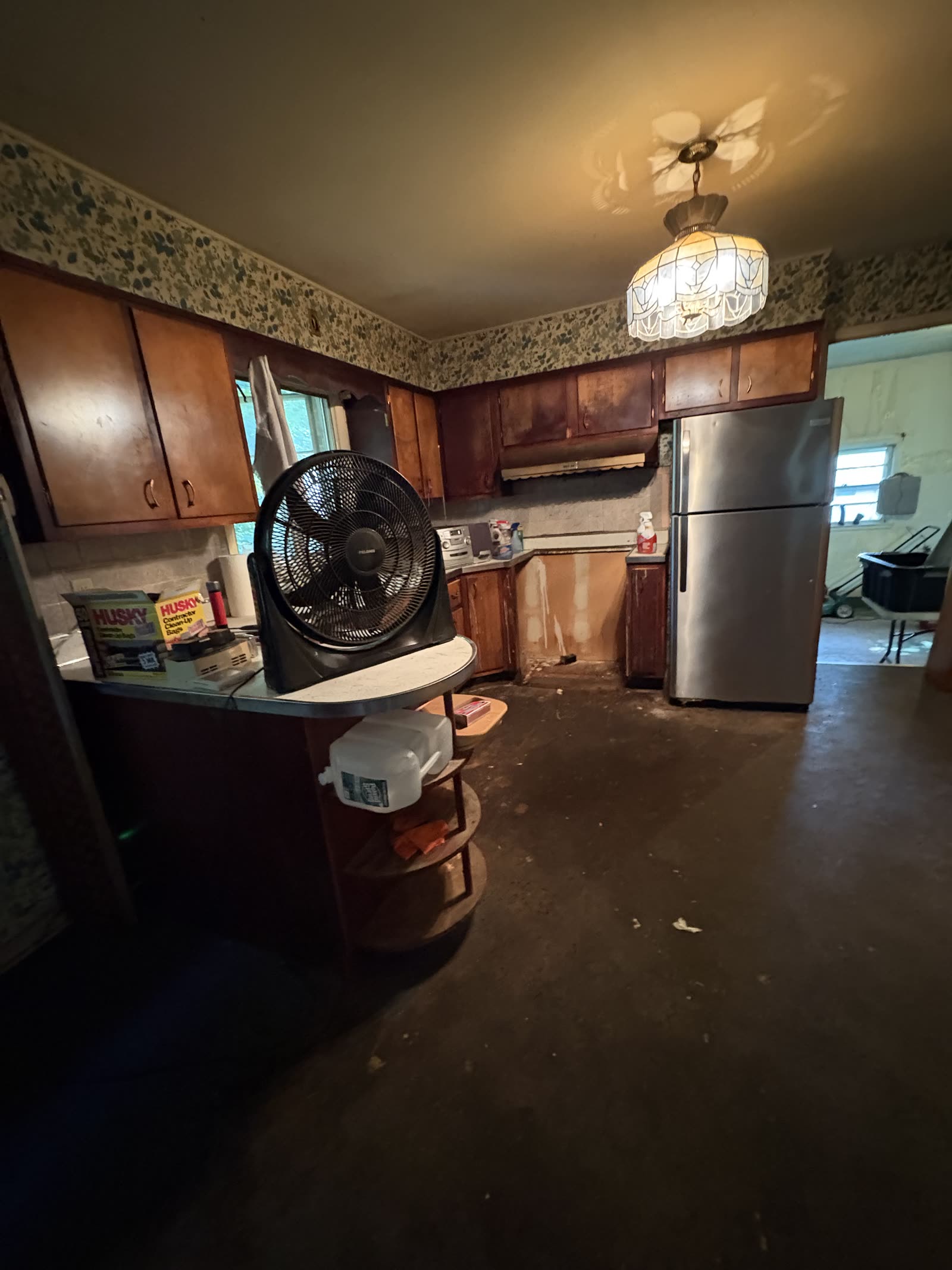
Repairs require money, time, coordination, and a willingness to accept the possibility that the work will cost more than expected. Selling as-is may be faster and easier, but buyers will usually account for the condition when deciding what they are willing to pay. The useful comparison is what remains after every path-specific cost—not simply which path has the highest possible price.
Some homes benefit from a few strategic improvements. Some need major work that a seller would be better off leaving to the next owner. Others are already marketable with little more than cleaning, decluttering, and realistic pricing.
The goal is not to make the house perfect. The goal is to choose the path that produces the right financial and practical result.
| Factor | As-Is Market Sale | High-ROI Preparation | Fuller Preparation |
|---|---|---|---|
| Upfront cash | Lower | Moderate | Higher |
| Time | Shorter | Moderate | Longer |
| Seller effort | Lower | Moderate | Higher |
| Buyer appeal | Lower | Higher | Highest |
| Potential sale price | Lower | Higher | Potentially highest |
| Execution risk | Lower | Moderate | Higher |
| Net proceeds | Depends on costs | Often competitive | Can fall if over-improved |
Your House Is Not an Average House
Generic repair advice cannot account for your location, property type, visible condition, timeline, or the difference between nearby sales. The Get Ready. Sell. Go. Seller Decision Engine uses the address, property characteristics, comparable sales, homeowner-provided condition, selling timeline, optional photos, and local repair-cost assumptions to compare several practical selling paths.
The resulting Home Selling Plan can show current-condition value, estimated preparation allowances, DO, CONSIDER, and SKIP recommendations, potential marketability effects, estimated net proceeds, timing, effort, certainty, and a property-specific next step.
What Does Selling a House As-Is Actually Mean?
Selling a house as-is generally means offering the property in its current condition without promising to complete repairs or improvements before closing.
It does not necessarily mean the home is unlivable, unsafe, or severely distressed.
A house may be sold as-is because:
- The owner does not have money available for repairs.
- The home was inherited.
- The property is vacant.
- The seller lives out of the area.
- The owner needs a faster sale.
- The house is outdated but functional.
- The seller does not want to manage contractors.
- The property needs major work.
- The owner prefers certainty over renovation risk.
An as-is sale also does not eliminate every seller responsibility. Required disclosures, contractual obligations, title issues, and negotiated terms still matter. The precise obligations can vary by transaction, so homeowners should obtain appropriate legal and professional guidance when needed.
Most importantly, “as-is” is not a pricing strategy by itself. A home can be marketed as-is through a traditional listing, sold directly to a buyer, or purchased by someone planning to renovate it. The complete guide to selling a house as-is explains these distinctions in more detail.
Selling As-Is Does Not Mean Accepting Any Offer
Some homeowners hear “as-is” and assume they must accept a deeply discounted cash offer. That is not necessarily true.
An older home with dated finishes but working systems may still appeal to traditional buyers. A house with cosmetic wear may be appropriate for an as-is MLS listing. A property with significant structural, environmental, financing, or occupancy concerns may have a smaller buyer pool and require a different strategy.
There is a meaningful difference between:
- A home that is cosmetically dated
- A home with deferred maintenance
- A home with major mechanical problems
- A property that may not qualify for ordinary financing
- A house requiring extensive rehabilitation
Before choosing a selling method, it is important to understand which category best describes the property.
What Does “Fix It First” Mean?
Fixing a home before selling does not have to mean completing a full renovation. It may mean:
- Repairing an active leak
- Addressing peeling paint
- Replacing a broken fixture
- Restoring heat or hot water
- Refinishing worn hardwood floors
- Removing damaged carpeting
- Cleaning and decluttering
- Improving lighting
- Repairing obvious safety issues
- Completing unfinished trim or drywall
- Making the home easier to finance and insure
The most profitable approach is often not “renovate everything.” It is identifying the smallest group of improvements that meaningfully improves buyer confidence, marketability, or financing eligibility. See which repairs may pay off before selling before committing to a broad scope.
The Three Main Selling Strategies
Most homeowners deciding between repairs and an as-is sale are really comparing three strategies.
1. Sell directly in the current condition
This may offer the simplest path when the property needs substantial work, the timeline is short, or the owner does not want to prepare the home for showings.
- Fewer preparations
- A shorter decision process
- Less contractor coordination
- Reduced risk of repair overruns
- No need to make the home presentation-ready
- Potential flexibility around unwanted contents
The tradeoff is that a direct buyer will usually account for repair costs, risk, holding expenses, resale costs, and profit when determining an offer.
2. List the home as-is
A traditional as-is listing can expose the property to a broader group of buyers without requiring the seller to renovate first.
- The home is functional but dated.
- The neighborhood has strong buyer demand.
- The property has appealing features despite its condition.
- The seller can accommodate showings.
- The house is priced to reflect needed work.
- Financing remains reasonably available.
An as-is listing does not guarantee that buyers will avoid inspections or requests. The contract terms determine what each party may do after an inspection.
3. Complete selected work before listing
Strategic preparation may produce a stronger result when modest improvements can materially change how buyers perceive the home.
- The property is close to market-ready.
- The needed work is manageable.
- The seller has available cash.
- The work can be completed reliably.
- The neighborhood supports the improved value.
- The seller has time for preparation.
- The changes are likely to improve marketability.
The key word is selected. A seller does not need to correct every imperfection.
Start With Your Actual Goal
Before comparing estimates, decide what matters most.
Are you trying to maximize the eventual selling price?
Preparing the home may help, but the highest selling price does not always produce the highest net proceeds.
Do you need to sell quickly?
A lengthy renovation may conflict with your timeline.
Do you need certainty?
Contractor delays, material decisions, permit issues, and unexpected repairs can make renovations difficult to predict.
Are you managing an inherited or vacant property?
Convenience and reduced responsibility may matter as much as price. The guide on renovating an inherited house before selling addresses that situation specifically.
Are you emotionally and financially prepared to renovate?
Renovation can be stressful even when it goes well. Your priorities should influence the strategy.
Compare Net Proceeds, Not Just Selling Prices
One of the most common mistakes homeowners make is comparing an as-is offer with a projected renovated selling price without subtracting the cost of reaching that renovated condition.
A more useful comparison includes:
- Repair and renovation costs
- Contractor deposits
- Permit or inspection costs where applicable
- Cleaning and property preparation
- Staging
- Real estate brokerage expenses
- Attorney and closing expenses
- Taxes and carrying costs
- Utilities and insurance
- Lawn care or snow removal
- Mortgage interest
- The financial cost of delays
- The risk of additional problems being uncovered
An improved home may sell for more, but that does not automatically mean the seller keeps more. The decision should be based on estimated net proceeds after expenses and risk.
Which Repairs Are Most Likely to Matter?
Repairs generally fall into several categories.
Health and safety concerns
- Unsafe electrical conditions
- Missing railings
- Active water intrusion
- Serious mold concerns
- Unstable steps
- Significant structural movement
- A nonfunctioning heating system
- Major plumbing leaks
Financing-related concerns
Some property conditions may limit the loan programs available to buyers. This does not necessarily mean the seller must complete every repair. It means the seller should understand how the condition may affect the buyer pool.
Functional problems
- No hot water
- Broken windows
- Nonfunctioning appliances included in the sale
- Leaking fixtures
- Damaged doors
- Failed heating or cooling equipment
- Plumbing backups
Correcting a few visible functional problems can sometimes improve confidence more than a decorative upgrade.
Cosmetic issues
- Painting and cleaning
- Landscaping
- Replacing dated fixtures
- Removing damaged floor coverings
- Refinishing floors
- Updating hardware
- Improving lighting
These improvements may be easier to control than large renovations and can help buyers see the home more positively.
Major renovations
Large kitchen additions, structural reconfigurations, luxury bathrooms, and extensive custom work require careful consideration. They involve more money, time, decisions, delay risk, and a greater chance of exceeding the neighborhood’s supported value.
Repairs That May Not Be Worth Completing
Not every visible flaw needs to be corrected before selling.
- Replacing a functional kitchen only because it is dated
- Installing luxury finishes in a modest price range
- Making highly personal design choices
- Renovating rooms buyers may prefer to redesign themselves
- Replacing functioning systems solely because of age
- Completing additions that require extensive approvals
- Repairing minor cosmetic issues throughout the entire house
- Undertaking work without a clear budget or reliable contractor
A buyer may prefer a credit, a lower price, or the opportunity to choose finishes.
When Selling As-Is May Make Sense
- The repairs are extensive.
- You do not have available funds.
- Borrowing would create financial strain.
- The house is inherited or vacant.
- You live far from the property.
- The home has significant deferred maintenance.
- The sale needs to happen quickly.
- Contractor management is unrealistic.
- The likely return does not justify the work.
- You prefer a simpler transaction.
This does not mean you should accept the first offer presented. It means the current condition should be incorporated into a thoughtful pricing and marketing strategy. See options for selling a house that needs repairs, or, if the property came through an estate, selling estate property. If available funds are the main concern, review what happens when you cannot afford repairs before selling.
When Making Repairs May Make Sense
- The home needs only limited preparation.
- The work can be completed quickly.
- Reliable contractors are available.
- You have adequate funds without creating hardship.
- The repairs are likely to expand the buyer pool.
- The improvements address obvious buyer concerns.
- The property’s location supports a stronger retail value.
- The likely benefit exceeds the cost and risk.
It is often useful to separate necessary work from optional work.
When Listing As-Is May Be the Middle Ground
Homeowners sometimes assume they must choose between a direct cash sale and a full renovation. An as-is traditional listing can provide another path.
- Avoid major improvements
- Expose the property to owner-occupants and investors
- Test market demand
- Retain broader marketing
- Negotiate based on actual buyer feedback
The home must still be priced realistically. Buyers will compare it with both renovated and unrenovated alternatives.
How Condition Affects Buyer Psychology
Buyers do not always estimate repair costs accurately. A worn room may cause a buyer to assume the entire home has been neglected. A minor stain may create fear of a larger moisture problem. Several unfinished projects may make the property feel overwhelming even when each item is manageable.
This is why modest preparation can sometimes produce an outsized improvement in buyer confidence. The objective is not always to eliminate every repair. It may be to reduce uncertainty.
- Clean thoroughly.
- Remove clutter.
- Improve lighting.
- Provide clear information about known systems.
- Address active leaks.
- Complete conspicuously unfinished work.
- Obtain professional evaluations for major concerns.
- Price the home consistently with its condition.
Consider the Age and Character of the Home
Many Capital Region homes were built long before today’s construction standards and design preferences.
- Plaster walls and stone or masonry foundations
- Older wiring and aging plumbing
- Uneven floors and older windows
- Multiple generations of renovations
- Unfinished basements and drainage concerns
- Radiators or boilers
- Additions completed at different times
Age alone does not make a home undesirable. Buyers often value original woodwork, hardwood floors, established neighborhoods, architectural details, and larger lots. Review current Capital Region home-value context without treating regional data as a substitute for evaluating the individual property.
Do Not Renovate Only Because You Are Embarrassed
A homeowner may feel uncomfortable showing a dated kitchen, an unfinished room, or years of deferred maintenance. That feeling can lead to unnecessary spending.
Buyers are not evaluating the home as a reflection of the owner’s character. They are deciding whether the property and price fit their needs.
Selling a home in its current condition is a financial and logistical decision, not a personal failure.
The Risk of Starting Work You Cannot Finish
An unfinished renovation can be harder to sell than a dated but functional room.
- A realistic scope
- Adequate funds and contingency money
- Reliable labor and material availability
- A workable timeline
- An understanding of possible permit requirements
- A plan for unexpected discoveries
Once walls, floors, plumbing, or electrical systems are opened, additional work may become necessary. If the budget is tight, smaller completed improvements are usually safer than an ambitious unfinished project.
Questions to Ask Before Spending Money
Homeowner Checklist
These questions can prevent emotional renovation decisions.
A Practical Decision Framework
Consider selling directly in the current condition when:
- Convenience is the highest priority.
- The home needs major work.
- The property is difficult to manage.
- The seller cannot fund repairs.
- Speed and certainty matter more than market exposure.
Consider listing as-is when:
- The home remains usable.
- The location has reasonable demand.
- The seller can accommodate a normal listing process.
- The property can attract buyers despite its condition.
- The seller wants broader market exposure without renovating.
Consider completing selected repairs when:
- Limited work can materially improve the presentation.
- The seller has sufficient funds and time.
- The repairs are likely to reduce buyer concern.
- The neighborhood supports the improved value.
- The expected net benefit justifies the risk.
Consider more extensive preparation when:
- The home’s current condition is the main barrier to achieving its market potential.
- The seller can manage the work responsibly.
- The renovation scope is well defined.
- The expected market supports the investment.
- The seller is comfortable accepting renovation uncertainty.
Make the Decision Based on Your Situation
There is no universal rule that every seller should renovate—or that every house needing work should be sold directly to an investor.
The right answer is usually found by comparing:
- The home’s current marketability
- The cost and complexity of repairs
- The potential change in selling price
- The likely net proceeds
- The time required
- The risk of unexpected work
- The homeowner’s financial and personal priorities
A house does not need to be perfect to sell. It needs an honest assessment, a realistic strategy, and a selling path that fits the owner’s circumstances.
Frequently Asked Questions
Was this guide helpful?