Selling Your House As-Is in the Capital Region
Selling as-is means offering the home in its current condition without promising repairs. You can still list it on the open market, sell directly to an investor, or make only the improvements that appear likely to repay their cost.
The right path depends on likely net proceeds, not the headline sale price alone. Compare preparation, commissions and other selling expenses, timing, financing risk, and closing certainty before deciding.
How an as-is offer is worked out
An as-is offer isn't a guess. It starts with what your house would likely sell for in the local market once it's repaired and updated. From there, the buyer subtracts the cost of the repairs, the costs of holding and reselling the house, and an amount for the risk of surprises behind the walls. Current market conditions matter too: when homes are selling quickly, offers tend to be stronger.
That's why an as-is offer is always lower than what a fully repaired house could bring. What you get in exchange is speed, certainty, and no repairs, cleanouts or showings. After a walkthrough, the offer arrives within 24 hours.
An as-is sale usually makes the most sense when the house needs major repairs, when you need to close quickly, or when you don't have the time or cash to fix it up. If the house needs only modest work, preparing it and listing it will often leave you with more. Seeing both numbers before you sell your home is the only way to know for sure.
Selling in a specific area? See how it works to sell your house as-is in Schenectady, Albany, or Troy.
What to know in New York
Selling as-is in New York does not eliminate disclosure obligations. Known material conditions still need to be handled honestly, and your attorney can explain the requirements for your transaction.
Condition affects both price and buyer pool. Cosmetic wear may have a modest effect, while roof, structure, water, electrical, heating, or financing concerns can narrow the market and increase a buyer's repair allowance.
Before spending money, separate work that could improve marketability from work that is unlikely to return its full cost. A few strategic improvements may help; a broad renovation is not automatically the best financial choice.
Your options
Three common paths. There's no wrong answer — only the one that fits your situation.
List as-is on the market
Expose the home to retail and renovation-minded buyers without completing major repairs first. This may bring more than a direct sale, but usually involves showings, negotiation, and buyer-financing risk.
Sell directly to an investor
A direct buyer can reduce preparation, showings, and financing uncertainty. The tradeoff is typically a lower price because the buyer takes on repairs, resale costs, holding time, and risk.
Make selected improvements
Address only the work that appears likely to improve net proceeds or buyer eligibility, then compare the added value with the cost, delay, and effort required.
Build Your Home Selling Plan
Start with current condition, then compare preparation, timing, costs, and estimated net proceeds across the relevant selling paths.
Related guidance
These are the primary guides and resources most helpful for this situation. Read the cornerstone first, then use the supporting pages for specific decisions.
Nearby areas we serve
Explore local selling information
Compare condition-based selling options across nearby Capital Region markets. Each page covers local housing considerations for this kind of situation.
- Selling a house as-is in Albany
- Troy as-is selling options
- As-is home value in Schenectady
- Selling without repairs in Colonie
Or start with an informational property estimate to see a condition-based value range before choosing a path.
Local story
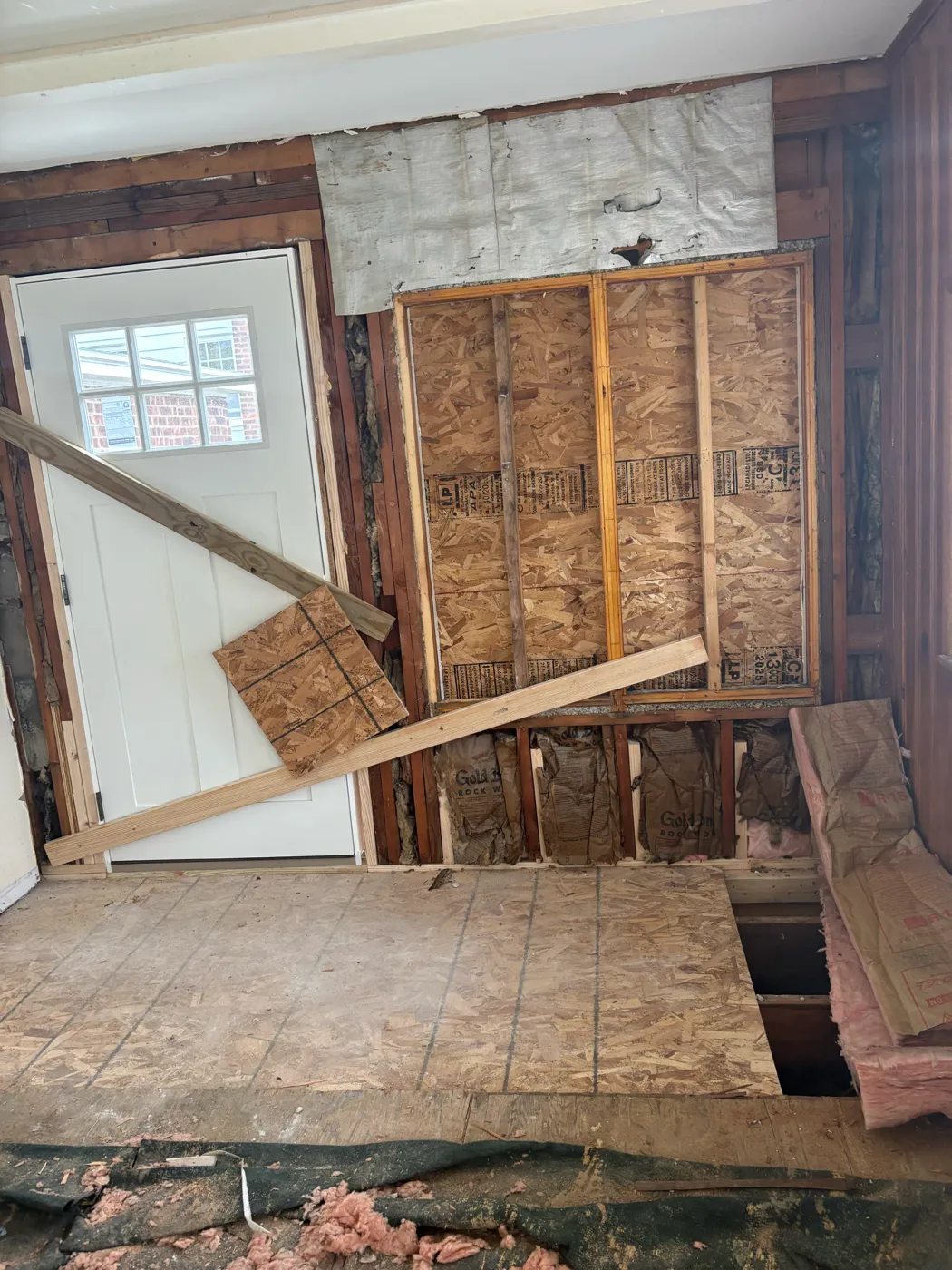
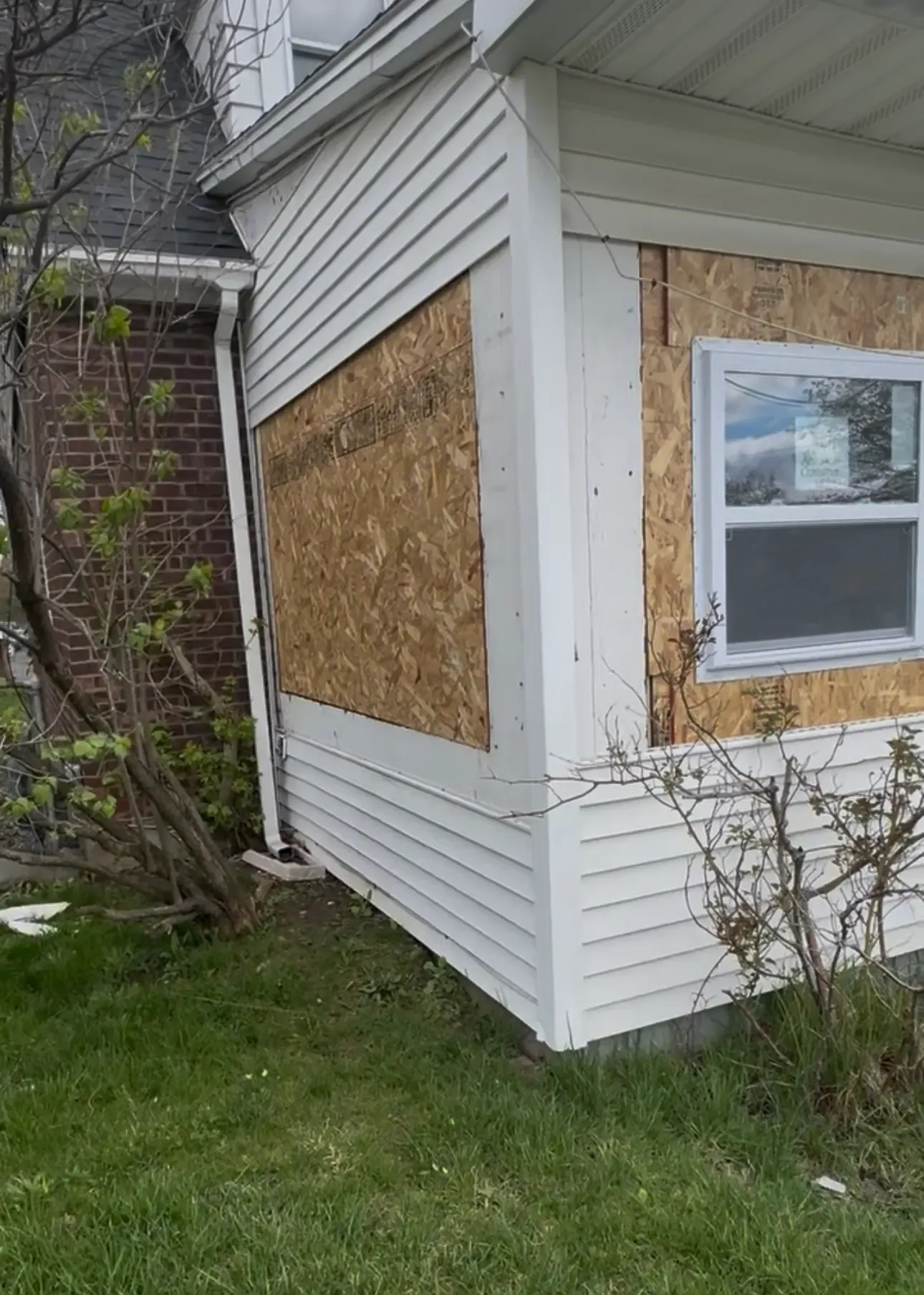
A Menands House That Needed $80,000 in Repairs
- The situation
- A Menands homeowner had recently bought a house he believed was move-in ready. Soon, problems surfaced that weren't apparent at purchase: a rotted front porch, a subfloor that needed full replacement, pipes that froze and burst in an under-insulated front room, and what looked like a window from inside, hidden behind a blind, that was actually plywood behind the siding with no finished wall in between.
- The path chosen
- Facing repairs he couldn't afford, he chose to sell the house to me directly instead of taking on the renovation.
- The outcome
- The sale let him pay off his entire remaining mortgage. After I bought the property, I put roughly $80,000 into repairs and renovations.
- The takeaway
- Major repairs can hit at any point in homeownership, not just after a purchase. You don't have to complete them before selling. Comparing a direct as-is sale, selective pre-sale improvements, and a listing shows which option leaves you better off.
— Alison, Get Ready. Sell. Go.
Areas we serve
Frequently asked questions
Build Your Home Selling Plan
Start with current condition, then compare preparation, timing, costs, and estimated net proceeds across the relevant selling paths.