Losing a loved one is difficult enough without suddenly becoming responsible for a house. One of the first questions many families ask is: “Should we renovate before selling?”
We’ve walked through homes throughout Albany, Colonie, Troy, Menands, Watervliet, East Greenbush, Delmar, and the surrounding Capital Region. They ranged from move-in ready to homes needing significant repairs.
The answer isn’t the same for every family. Sometimes renovating makes financial sense. Sometimes selling the home in its current condition is the better option. The key is understanding all of your choices before investing significant time and money.
Before deciding whether to renovate, many homeowners first use the Home Selling Options Estimator to better understand what their property may be worth in its current condition. Having that information early often makes it easier to compare your options before spending money on repairs.
Most inherited homes need something
Many inherited homes throughout the Capital Region haven’t been updated in decades. Some have original kitchens. Others need cosmetic updates. Some require major repairs.
That doesn’t automatically mean a full renovation is necessary before selling. Every situation is different.
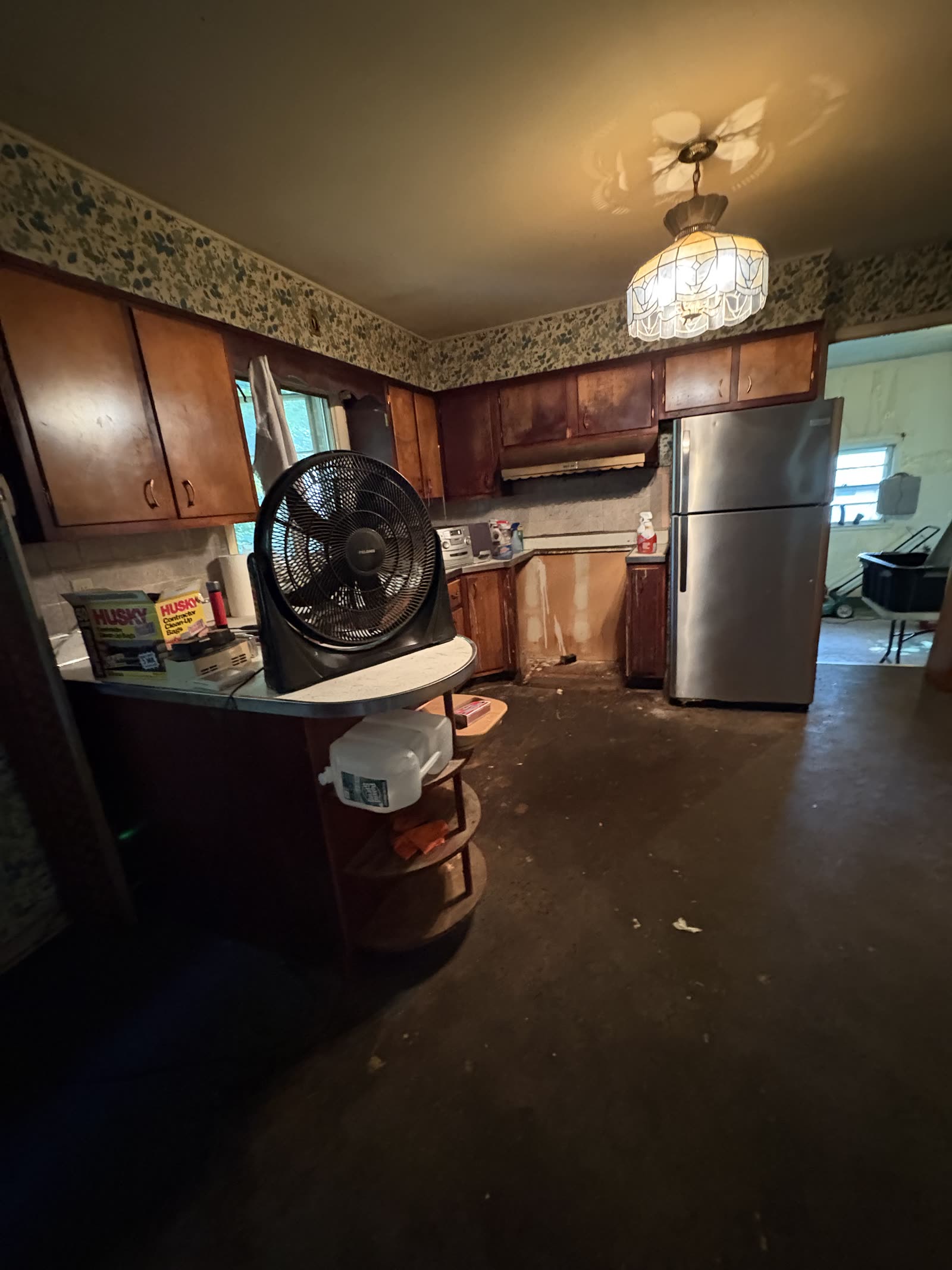
Option 1 — Sell the home as-is
Still sorting out ownership, heirs, and next steps? Start with our guide to selling an inherited house in Albany.
Selling a property as-is means you choose not to complete repairs before selling. This option often works well when:
- The property needs significant work.
- Multiple heirs are involved.
- You live out of town.
- You want to avoid managing contractors.
- You would rather sell sooner than later.
Many homeowners are surprised to learn that selling as-is can still be a practical option depending on the property’s condition and local market demand.
Option 2 — Make strategic improvements
Sometimes small improvements create the greatest return. Examples include:
- Fresh paint
- Deep cleaning
- Landscaping
- New lighting
- Minor repairs
These updates can improve first impressions without taking on the expense of a complete renovation.
Option 3 — Complete a renovation
Some homes benefit from a renovation before selling. Before committing to a project, consider:
- Construction costs
- Holding costs
- Insurance
- Property taxes
- Utility bills
- Unexpected repairs
Rather than assuming a renovation will always increase your profit, evaluate the total investment first.

First impressions matter
The way buyers feel when they walk into a home often influences their decisions more than any single feature.
Small cosmetic improvements sometimes create a larger impact than expensive renovations.


Bedrooms matter too
Bedrooms don’t always need expensive renovations. Often, fresh paint, updated lighting, refinished floors, and decluttering dramatically improve how a room feels.


What about homes that need major repairs?
Not every inherited home is in move-in condition. Some have:
- Water damage
- Mold
- Deferred maintenance
- Roof issues
- Older mechanical systems
Although these repairs affect value, they don’t automatically prevent a property from being sold.
Questions to ask before renovating
Before hiring contractors, ask yourself:
- Do we have the budget?
- Do we have the time?
- Will renovations increase the home’s value enough to justify the investment?
- Would selling the property as-is better fit our situation?
There isn’t one correct answer. Every family’s circumstances are different.
How taxes affect the decision
Taxes are one of the biggest reasons to look closely before you renovate, or before you hold the property for years.
- Step-up in basis. When you inherit a house, its tax basis generally resets to its fair market value on the date of death, not the original purchase price. That new figure is the starting point for any capital gain when you sell.
- Capital gains tax. You generally owe capital gains tax only on the amount the sale price exceeds that stepped-up basis, after selling costs. Inherited property is generally treated as held long-term, so any gain is usually taxed at long-term rates.
- Renovation costs. Money spent on improvements before the home sale generally adds to your basis, which can lower the taxable gain. Routine repairs may be treated differently, so keep receipts and ask how your specific costs count for tax purposes.
- A date-of-death appraisal. An appraisal as of the date of death documents your basis and can head off questions later.
- Estate taxes are separate. Estate taxes are owed by the estate, based on its total value, and most estates don’t owe federal estate tax. New York has its own estate tax with a lower threshold. Neither is the same as the capital gains tax on the sale.
- Holding versus selling. If you sell soon after inheriting, there’s usually little gain, because the basis was just reset. If you hold the property for years, any increase in value can become taxable, and carrying costs add up.
This is general information, not tax advice. The tax implications depend on the estate and your situation, so talk with a CPA or the estate’s attorney before you decide.
Build Your Home Selling Plan
Start with current condition, then compare preparation, timing, costs, and estimated net proceeds across the relevant selling paths.
One Final Thought
If there's one thing we hope you take away from this guide, it's that you don't have to make these decisions alone or feel pressured into making expensive repairs before understanding all of your options.
Every property has a different story.
Every family has different priorities.
Sometimes renovating is absolutely the right decision.
Sometimes selling a home in its current condition makes more financial sense.
The important part is having good information before making a major financial decision.
We've found that homeowners are usually most confident when they understand every option available instead of feeling like there's only one path forward.
Whether you're dealing with an inherited home, major repairs, downsizing, foreclosure, or another life change, we hope this guide helped make the process a little clearer.
Thank you for taking the time to read it.
— Get Ready. Sell. Go.